


What happens if you drink a glass or two of alcohol after taking an antibiotic pill?When can you drink alcohol, how many hours or days after antibiotics can you drink alcohol so as not to harm your health?
Antibiotic and alcohol
An obligatory consequence of the use of alcohol and antibiotics is a decrease in the effectiveness of treatment.When drinking alcoholic beverages, inflammatory processes develop in the intestines and local immunity decreases.
At the same time, the disorder in the intestines associated with antibiotics, which is caused by taking the antibiotic, increases.
Violation of drug concentration.
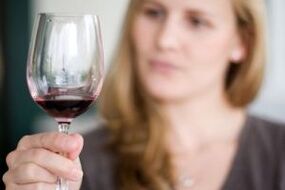
The antibiotic begins to act after reaching a sufficiently high therapeutic concentration in the blood.Due to the consumption of alcoholic beverages, the amount of drug in the body decreases.
This type of medication, when trying to take antibiotics after alcohol, can be considered useless and even dangerous.
Violation of the treatment regimen, a decrease in the concentration of the drug, increases the resistance of pathogenic microflora to the action of the antibiotic.And the disease itself, against which an antibiotic is prescribed, has the possibility of turning from acute to chronic.
The concentration of the drug decreases due to the fact that the nephrotoxic metabolite of ethyl alcohol, acetaldehyde, disrupts the process of nutrient reabsorption in the renal tubules.
Water reabsorption is also affected, which increases blood viscosity and the concentration of the antibiotic in the blood can change in the most unpredictable way.
Characteristics of metabolism.
Antibiotics are drugs that are metabolized in the liver.Busy processing ethyl alcohol, the liver does not have time to neutralize all possible metabolic intermediates of the drug.
Additionally, ethanol can affect the activity of liver enzymes and even react directly with the antibiotic or its metabolites.These properties are expressed differently in antibacterial drugs.
One of the most dangerous features of combining a drug with ethyl alcohol is the interaction of these chemical compounds with the development of a disulfiram-like reaction.
Let's find out if it is possible to drink alcohol, beer while taking antibiotics, after which it is not dangerous to drink alcohol and after which it is absolutely prohibited.
Disulfiram-like reaction

The disulfiram reaction is used to code for alcoholism, accompanied by nausea, cramps, cough, vomiting, difficulty breathing, and drop in blood pressure.
A similar effect occurs quite often when taking ethanol-containing drugs.
Below is a list of after taking which antibiotics and for how long you should not drink alcohol.
The consequences of taking ethanol during antibiotic treatment depend on the dose.
The time at which you can drink alcohol after taking antibiotic tablets or injections is calculated based on the time it takes for the antibiotic to be eliminated from the body.
List of antibiotics
Do not drink with alcohol:
- nitroimidazoles: do not combine with alcohol for up to 48 hours (the drugs produce a reaction similar to disulfiram);
- Cephalosporins: The chemical structure of this group is similar in structure to the disulfiram molecule, which produces a reaction similar to that of disulfiram with ethyl alcohol.You can drink alcohol every other day;in case of renal failure, the interval is lengthened;
- Fluoroquinolones: Synthetic antibiotics depress the nervous system and can cause coma.Do not drink alcohol earlier than 1.5 days;
- tetracyclines - a high risk of damage to liver hepatocytes;They are eliminated from the body for a long time.You can drink alcohol after 3 days;
- Aminoglycosides are ototoxic, nephrotoxic, increase the side effects of the drug, and increase the toxicity of the drug.Drink alcohol no earlier than 0.5 months;
- Lincosamides - the central nervous system and liver are affected, a disulfiram reaction develops.You can drink alcohol 4 days after treatment;
- macrolides - the risk of liver cirrhosis increases, especially when taking erythromycin, they are slowly eliminated from the body.Alcohol is allowed after 3.5 days;
- Antituberculous drugs: can cause drug-induced hepatitis with a fulminant course.Alcoholic beverages are prohibited!
The elimination rate of antibacterial drugs from different environments of the body differs.So, if aminoglycosides are eliminated from the blood of adults in an average of 2.5 hours, then from the fluid of the inner ear this time can be up to 350 hours.
Considering the ototoxicity of aminoglycosides, it is easy to understand that drinking alcohol within 2 weeks after treatment can lead to deafness.
Interaction
A disulfiram-like reaction develops during antibiotic treatment and alcohol consumption due to blocking the synthesis of enzymes that destroy the ethanol molecule into simple substances.
The consequence is an increase in the blood concentration of the intermediate degradation product of ethyl alcohol: acetaldehyde.Acetaldehyde, a metabolite of ethanol, is more toxic than ethyl alcohol itself.
And the lack of liver enzymes, as a result of a toxic effect on the liver, causes a decrease in the synthesis of norepinephrine, so the symptoms of poisoning the next morning appear brighter and more difficult to tolerate.
Consequences
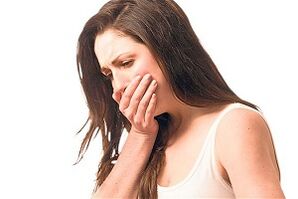
The combination of small doses of alcohol and medications may not cause any symptoms, but when drinking large doses of alcohol, the side effects of both the medication and ethyl alcohol increase.
One of the most dangerous consequences of combining alcohol with an antibiotic is a disulfiram-like reaction.The danger of this condition is that it is masked by alcohol poisoning and is not recognized by others as a distress signal.
The disulfiram reaction is caused by an increase in the concentration of acetaldehyde in the blood and is manifested by the following symptoms:
- heartbeat;
- nausea, vomiting;
- hot flashes, feeling of heat;
- dizziness;
- abdominal pain;
- a sharp drop in pressure.
If the patient's blood alcohol level is more than 125 mg/100 ml and the victim does not receive timely assistance, even death is possible.
how to combine
Some drugs should not be combined with ethyl alcohol in any dosage at all:
- nitroimidazoles;
- cephalosporin group;
- fluoroquinolones;
- aminoglycosides.
How many days after antibiotics can you drink alcoholic beverages?Is it possible to interrupt the course of treatment for a while?
It is better not to combine antibiotics and alcohol and not to drink ethanol during treatment.If for some reason this is not possible and you have to drink alcohol, you can calculate how long after drinking an antibiotic you can using a special alcohol calculator.
The alcohol calculator takes into account the person's weight, the amount and strength of the drink consumed.Thus, in a man weighing 70 kg, 100 g of vodka will be completely eliminated from the body in 5.8 hours, and 200 g of beer - in 1.44 hours.
It must be taken into account that all these calculations are approximate and the actual rate of elimination from the body depends not only on the properties of these chemical compounds, but also on the state of the kidneys, intestines and liver.
Conclusion
For complete elimination of the antibacterial drug from the body, 1 to 3.5 to 5 days should pass.The elimination time depends on the health status, age and metabolic characteristics of the person.
In most cases, drinking alcohol while taking antibiotics weakens the effectiveness of the treatment, increases the side effects of the drug, causes a reaction similar to disulfiram, and has serious consequences.